The Content Clipping Strategy Nobody Is Talking About (It's Not Video)
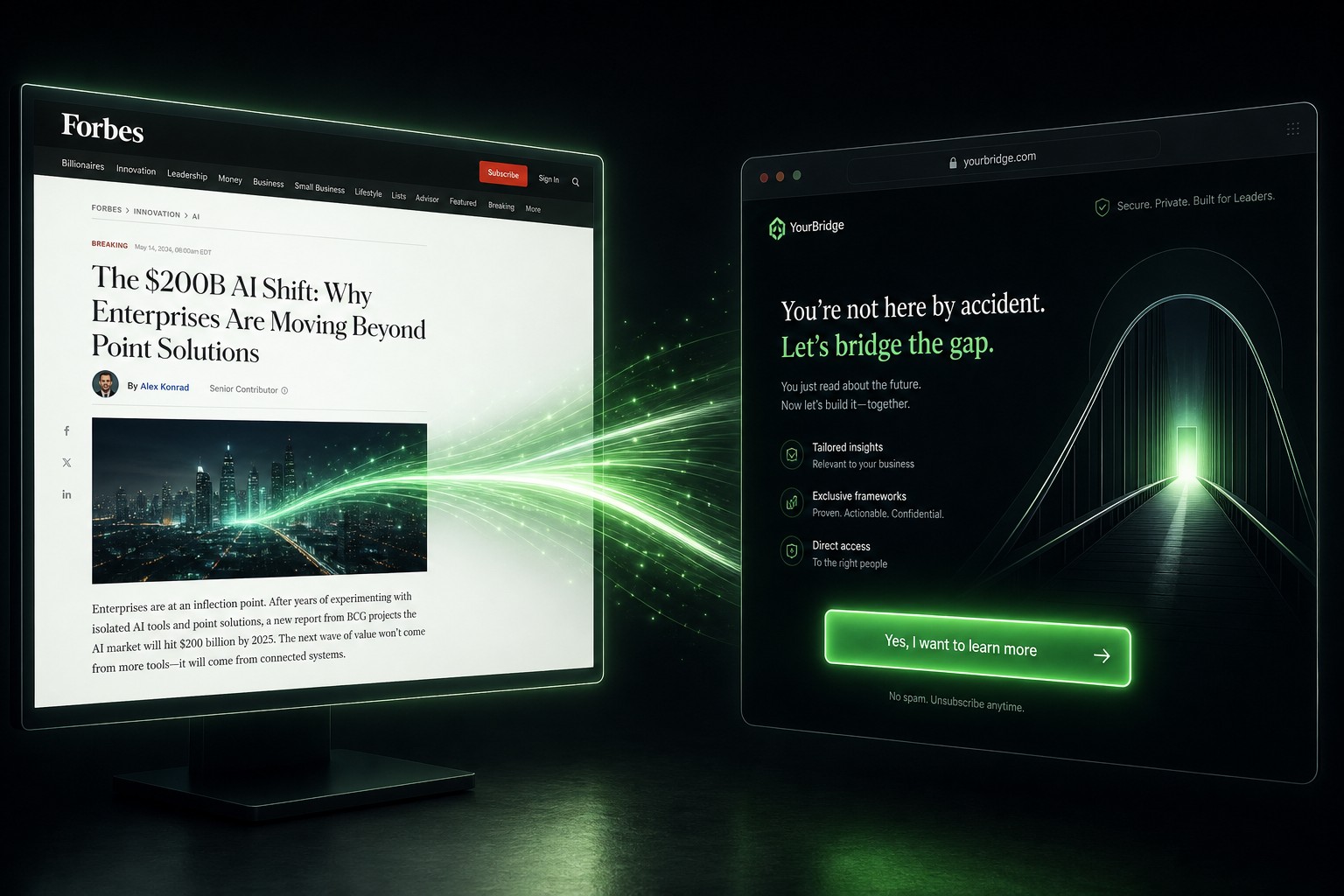
A piece on whop.com just dropped explaining how to earn thousands turning long videos into short clips. It's a solid guide. But it's missing something huge.
The same mechanism that turns a Joe Rogan podcast into a hundred TikToks works on something else entirely. Something with zero editing. Something that lives in plain text. And almost nobody is talking about it.
The Real Opportunity They're Ignoring

According to whop.com, clipping lets you hijack existing attention. You take a long video, grab the most provocative 60 seconds, and post it on social. The creator gets exposure. You get paid. Everybody wins.
What the article doesn't say is that content lives in many forms outside of video. Articles, news stories, Reddit threads, Forbes pieces, Wikipedia pages. These are all long-form content waiting to be clipped.
And here's what makes text clipping even more powerful. There's no competition. Millions of people are swarming TikTok to clip video. Almost nobody is doing the same thing with the written word. The barrier is lower. The trust is higher. And you can do it from a coffee shop without a single editing tool.

Why Text Clipping Builds Trust Faster
Think about it. Someone watches a clipped video of Elon Musk. It's entertaining. They might scroll past ten more in the next minute. But if you clip an authority article and add your own sharp commentary, something else happens. The reader slows down. They read your words. They see you're not just reposting, you're thinking. You're responding.
And that's the difference between a content reposter and a trusted expert.

The Whop guide mentions that the first three seconds of a video clip are everything, the hook. The same rule applies to text. The first sentence you write under a clipped article is your hook. It's what stops the scroll. People don't read articles anymore, they skim. They'll read your take more than they'll read the original.
You're not summarizing. You're hijacking authority and adding your own frame. That's where the value is.
How to Clip an Article (The Smart Way)

Forget video editing software. The process is deceptively simple.
Find a piece of authority content that's already getting attention. A trending Reddit thread about side hustles. A Forbes piece on AI. A new Wikipedia entry that's blowing up. You grab the core insight or controversy. Not to copy it, but to reference it. Then you write your own take.
You share what they got right. What they missed. What it means for someone like your reader. You do this in a short landing page or blog post. At the end, you offer something relevant. An email list, a tool, a course, a consultation. It's the same model as video clipping, but built for people who prefer thinking to editing.
.jpg)
And the payoff? You don't just get views. You get trust. You get clicks. You get an audience that treats you as the authority, not just the person who reposts clips.
Join the Conversation
That's the principle behind Authority Hijacker. You take a piece of authority content, add your unique frame, and drop your offer as the logical next step. No video editing. No camera. Just your brain and a browser.
In five minutes, you can clip a Forbes article, add a few hundred words of commentary that actually makes people smarter, and publish a page that converts.
While the world is busy clipping podcasts for TikTok, you can clip authority content that builds a real business. It's the same game, a much smarter field, and nobody's playing it yet.
The Whop article got the mechanism right. Attention is fragmented. People want short-form value. The money's there. But they missed the bigger picture. Content lives everywhere. And the fastest way to trust and sales isn't just clips of videos. It's clips of ideas.
Give it a shot. You might find that writing a few paragraphs is worth more than spending all day editing a single reel.
Free instant access